

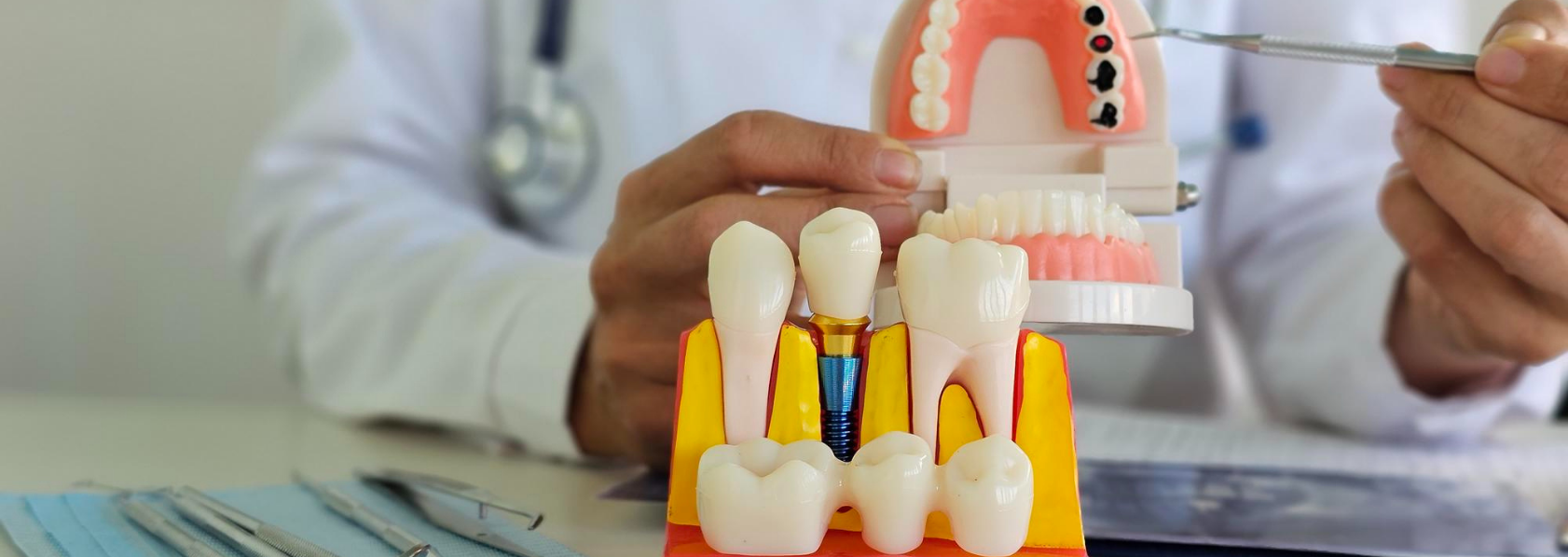
Losing a tooth can affect more than just your smile. It changes how you chew your food, pronounce certain words, and carry yourself in daily life. Fortunately, dental implant treatment has transformed modern dentistry by offering a solution that closely mimics natural teeth in both function and appearance. But one of the most common questions patients ask is: what changes after getting dental implants?
Whether you are considering implants for the first time or are just curious about life after treatment, this guide walks you through the real changes you can expect in eating, speaking, and smiling.
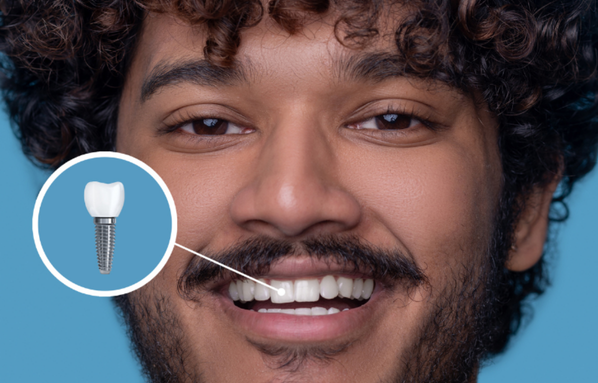
Before exploring the changes, it helps to understand what dental implant treatment involves. A dental implant is a titanium post surgically placed into the jawbone, acting as an artificial tooth root. Over time, through a process called osseointegration, the implant fuses with the bone, providing a stable foundation for a crown, bridge, or denture.
Unlike dentures or bridges, implants are permanent, do not slip, and do not require support from adjacent teeth. This makes them the closest alternative to natural teeth.
One of the most immediate and satisfying changes after dental implant treatment is the ability to eat with confidence. Tooth loss often forces people to avoid certain foods, stick to soft diets, or chew only on one side of the mouth. Implants put an end to these restrictions.
Dental implants restore nearly full chewing power. Studies show that implants can restore up to 90 percent of natural bite force, while traditional dentures only restore around 20 to 25 percent. This means you can enjoy a wider variety of foods, including crunchy vegetables, fruits, and lean meats, without discomfort.
Patients with dentures or missing teeth often avoid hard, chewy, or sticky foods. After dental implant treatment, most people find they can return to a completely normal diet. Corn on the cob, apples, crusty bread, even steak, foods that were once off-limits become enjoyable again.
Proper chewing is the first step in healthy digestion. When you cannot chew effectively, you tend to swallow larger food particles, which puts extra strain on your digestive system. With implants restoring full chewing ability, food is broken down more thoroughly, supporting better digestion and overall nutrition.
During the healing phase right after surgery, your dentist will advise a soft food diet. However, once osseointegration is complete, typically within three to six months, you can gradually reintroduce all types of food without worry.
A dental implant is far more than a cosmetic fix – it is a scientifically advanced, biologically integrated solution that restores your mouth to its full natural function. By harnessing the body’s own bone-forming ability through osseointegration, the tooth implant procedure delivers results that are durable, comfortable, and visually seamless.
Whether you are replacing a single tooth or planning a more comprehensive restoration, dental implants offer a path to renewed confidence and better oral health that no other solution can fully replicate. Consult with Dr. Sidharth Shah to find out whether implants are right for you – your healthiest, most confident smile could be well within reach.
Implants function just like natural teeth, giving your tongue the correct surface to make contact with. This restores the precise positioning needed for clear articulation. Most patients notice an improvement in their speech within weeks of receiving their final restoration.
A common complaint with dentures is that they can slip while talking, causing slurring or clicking sounds. Since dental implants are anchored directly into the jawbone, they do not move. There is no risk of slippage during a conversation, a presentation, or a meal.
Many people with missing teeth become self-conscious about speaking in public or in professional settings. Dental implant treatment removes this anxiety. Patients often report feeling far more confident speaking, laughing, and expressing themselves after treatment.
There may be a brief period during which your tongue gets used to the new implant crown. This is completely normal. Practicing speaking out loud at home can help speed up the adjustment.
A beautiful, complete smile is one of the most transformative outcomes of dental implant treatment. Beyond the functional benefits, the cosmetic changes can be profound, both in how you look and how you feel about yourself.
Implant crowns are custom-made to match the shape, size, and shade of your surrounding teeth. When placed by an experienced dental professional, the result is virtually indistinguishable from a natural tooth. Nobody needs to know you ever had a missing tooth unless you tell them.
When a tooth root is lost, the jawbone in that area begins to resorb or shrink over time. This can cause the face to look sunken or aged, particularly around the mouth and cheeks. Dental implants stimulate the jawbone just like natural roots, preserving its density and maintaining your facial structure.
The psychological impact of a complete, attractive smile cannot be overstated. Many patients describe feeling like their old selves again after dental implant treatment. They smile more freely in photos, feel more comfortable in social situations, and experience a notable lift in self-confidence.
Another major change patients notice is how straightforward oral hygiene becomes with implants. Unlike dentures that need to be removed and soaked, or bridges that require special flossing techniques, implants are cared for just like natural teeth.
If you are considering implants and want to explore what the full treatment process looks like, learn more on our dental implants treatment .
Dental implant treatment is an investment, but the long-term rewards make it one of the most cost-effective tooth replacement options available.
With proper care, dental implants can last decades. Many patients enjoy their implants for 20 to 30 years or more. Unlike dentures or bridges that may need frequent replacements, implants offer exceptional longevity.
Traditional dental bridges require grinding down adjacent healthy teeth to anchor the bridge. Implants are self-supporting, meaning neighboring teeth remain untouched and structurally intact.
Patients consistently report higher satisfaction rates with implants compared to other tooth replacement options. The combination of restored function, natural appearance, and ease of maintenance contributes to a significantly improved quality of life.
Most adults with good general health are suitable candidates for dental implants. Factors such as adequate bone density, healthy gums, and the absence of uncontrolled systemic conditions are important for successful implant placement. A thorough consultation with your dentist will determine your eligibility.
Understanding the recovery timeline helps set realistic expectations after dental implant treatment.
You may experience mild swelling, bruising, and discomfort after the surgical procedure. Soft foods are recommended, and prescribed medications help manage pain and prevent infection.
This is when the implant fuses with the jawbone. During this period, patients can resume most normal activities while still being careful with the surgical site.
Once the implant has fully integrated, the custom crown or prosthetic is placed. From this point forward, the implant functions exactly like a natural tooth. For a detailed breakdown of the procedure, visit our implant treatment for more information.
Dental implant treatment is truly life-changing. From eating your favourite foods without hesitation, to speaking with clarity and confidence, to smiling freely in every situation, implants restore what tooth loss takes away. They preserve your bone structure, protect surrounding teeth, and offer durability that no other tooth replacement option can match.
If you have been living with a missing tooth or are unhappy with your current tooth replacement solution, now is the time to explore what implants can do for you. Consult with Dr. Sidharth Shah at 1Stop Dental Clinic, Bandra to take the first step toward a healthier, more confident smile.