
Dental Implant for a Broken Tooth

Is Dental Implant Treatment Painful? Recovery, Healing & Side Effects Explained

Missing teeth can affect your ability to eat comfortably, speak clearly, and maintain good oral health. While Dental Implant Treatment is a reliable and long-lasting solution for replacing missing teeth, many people feel uncertain about the procedure and recovery process.

The thought of having an implant placed in the jawbone may sound intimidating, but modern implant dentistry is designed to be safe, precise, and comfortable. Understanding what to expect during treatment, recovery, and healing can help you make an informed decision.

In this blog, we’ll explain the level of discomfort involved, the dental implant healing process, recovery timeline, and common side effects you may experience after treatment.
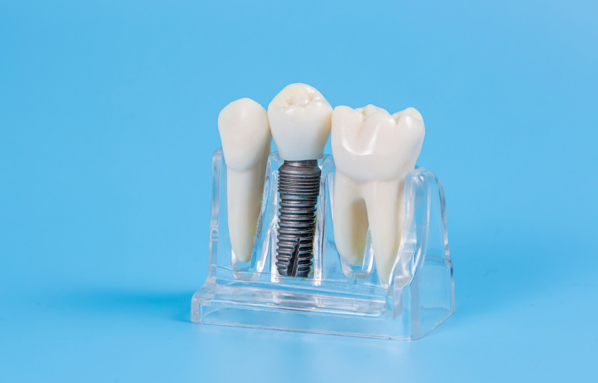
dental implant for a broken tooth

Are Dental Implants Painful?

For most patients, the procedure itself is not painful. Dental implants are placed under local anaesthesia, which completely numbs the treatment area before surgery begins. While you may notice slight pressure or vibrations during the procedure, sharp pain is uncommon.
Many patients are surprised to find that implant placement feels similar to or even more comfortable than a routine tooth extraction.

Wondering if Invisible braces are right for you

Get a personalized consultation with Dr. Sidharth Shah, Top 1% Invisalign Provider in India.

What to Expect During Dental Implant Treatment

  • Dental Implant Treatment is performed under anaesthesia, ensuring the area is fully numbed throughout the procedure.

  • Patients may feel mild pressure, slight vibrations, or a gentle sensation of movement, but no sharp pain during surgery.

  • If any discomfort occurs, the dentist can adjust the anaesthesia to ensure complete comfort.

  • Concerns about pain are usually linked to fear of surgery, anxiety, or outdated information.

  • In reality, modern Dental Implant Treatment is highly precise and comfortable, with only mild and temporary post-procedure discomfort that improves within a few days as healing begins.

What Happens After Dental Implant Treatment?

Once the anesthesia wears off, it’s normal to experience mild to moderate discomfort for a few days.
This is a natural part of the dental implant healing process and indicates that the body is beginning to repair the treated area.
Common post-treatment symptoms include:
  • Mild soreness around the implant site
  • Slight swelling of the gums or face
  • Minor bruising
  • Tenderness while chewing
  • Temporary sensitivity

These symptoms usually improve within a few days.

Dental Implants Recovery Timeline

Understanding the dental implants recovery process can help set realistic expectations.

1. First 24 Hours

During the first day after treatment, you may notice:

  • Mild bleeding or oozing
  • Swelling
  • Tenderness near the implant area

It is important to rest, avoid strenuous activity, and follow your dentist’s instructions carefully.

2. Days 2–7

This is when swelling may peak before gradually reducing.
Most patients can:
  • Return to work within 1–2 days
  • Resume normal daily activities
  • Manage discomfort with prescribed medication

Soft foods are usually recommended during this stage.

3. Weeks 2–6

The gums continue healing around the implant.
At this point:
  • Pain is usually minimal or absent
  • Swelling has largely disappeared
  • Daily routines become normal again

Although you may feel fully recovered, the implant is still integrating with the jawbone beneath the surface.

4. Three to Six Months

This stage is called osseointegration, where the implant fuses with the jawbone.
This crucial phase allows the implant to become a stable and long-lasting replacement for the missing tooth.
The majority of the dental implant healing process happens during this period.

How Long Does It Take to Recover from Dental Implants?

Most patients recover from the initial surgical discomfort within:
    3–7 days for minor procedures
  • 1–2 weeks for more complex cases

However, complete healing of the implant beneath the gums typically takes between 3 and 6 months.
The exact timeline depends on factors such as:
  • Number of implants placed
  • Bone quality
  • Overall health
  • Smoking habits
  • Oraly hygiene practies

Tips for a Smooth Dental Implant Recovery

Following proper aftercare can make recovery easier and more comfortable.

1. Follow Medication Instructions

Take prescribed medications exactly as directed to control discomfort and reduce the risk of infection.

2. Eat Soft Foods

Choose foods such as:
  • Yogurt
  • Soup
  • Mashed potatoes
  • Smoothies
  • Soft rice dishes

Avoid hard, crunchy, or spicy foods initially.

3. Maintain Good Oral Hygiene

Keeping the area clean is essential for successful healing. Your dentist may recommend:

  • Gentle brushing
  • Saltwater rinses
  • Antibacterial mouthwash

4. Avoid Smoking

Smoking can delay healing and increase the risk of implant complications.

What Are the Possible Side Effects of Dental Implants?

Like any surgical procedure, Dental Implant Treatment may have some temporary side effects.
Common side effects include:
  • Swelling
  • Bruising
  • Minor bleeding
  • Gum tenderness
  • Temporary discomfort

These usually resolve within a few days.

When Should You Contact Your Dentist?

Although complications are uncommon, you should contact your dentist if you experience:

  • Severe or worsening pain
  • Persistent bleeding
  • Excessive swelling after several days
  • Fever
  • Signs of infection
  • Implant mobility

If any of these symptoms occur after your Dental Implant Treatment, seeking prompt evaluation from an experienced dentist can help prevent more serious complications. Patients undergoing treatment at a dental clinic in Bandra should follow their post-operative instructions carefully and attend all recommended follow-up visits to ensure smooth healing.

Factors That Influence Implant Recovery

Every patient’s experience is unique. Recovery can be affected by:

1. Overall Health

Conditions such as diabetes may slow healing if not properly managed.

2. Bone Quality

Patients with strong jawbone support often heal more predictably.

3. Smoking and Tobacco Use

Tobacco products reduce blood flow and can negatively affect implant success.

4. Oral Hygiene

Good home care plays a major role in successful Dental Implant Treatment outcomes.

Benefits of Dental Implant Treatment

While many patients focus on the procedure and recovery, it’s equally important to understand the long-term benefits of Dental Implant. Dental implants do much more than simply fill a gap in your smile.

  • Restores chewing function and allows you to enjoy your favourite foods comfortably.
  • Preserves jawbone health by stimulating the bone and reducing bone loss.
  • Prevents neighbouring teeth from shifting, helping maintain proper alignment.
  • Enhances smile confidence with a natural-looking and secure tooth replacement.
  • Provides a long-lasting solution with proper care and maintenance.
  • Supports overall oral health without affecting adjacent healthy teeth.

Final Thoughts

If you have been postponing treatment because you’re worried about discomfort, it’s important to know that modern Dental Implant Treatment is designed to be as comfortable and predictable as possible.
While some soreness during recovery is normal, severe pain is uncommon when the procedure is performed by an experienced implant dentist and proper aftercare instructions are followed.
If you are considering Dental Implant Treatment, a thorough evaluation can help determine the most suitable approach for your individual needs. Dr. Sidharth Shah provides personalized implant care, guiding patients through every stage of treatment, recovery, and long-term maintenance.

Explore dental implant healing process, recovery timeline, and common side effects

Dental Implant Treatment offers a reliable and comfortable way to restore missing teeth, with manageable recovery, guided healing, and aftercare support with expert guidance from Dr. Sidharth Shah.