


Losing a tooth can make everyday activities like eating and speaking a little difficult. You may also feel conscious about the gap when you smile. Replacing the missing tooth can help you feel more comfortable and restore your ability to chew properly. If you have lost only one tooth, your dentist may suggest two options: a single tooth dental implant or a tooth-supported bridge. Both are fixed replacement options, which means you do not need to remove them while eating or cleaning your teeth.
However, they work differently. A dental implant gets support from the jawbone, while a dental bridge uses the teeth next to the missing tooth. So, which option should you choose? Let’s understand how both treatments work and what your dentist considers before recommending one.
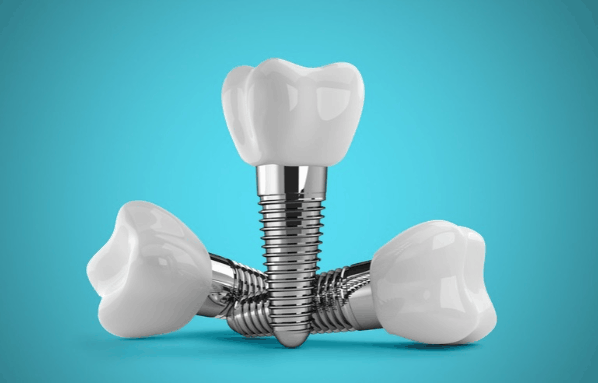
A single tooth dental implant is a fixed replacement for a missing tooth. It uses a small metal post, usually made of titanium, which the dentist places in the jawbone to act like a natural tooth root.
After the implant joins with the bone, the dentist places a dental crown on top. This crown looks and works like a natural tooth.
A dental implant has three main parts:
One of the main benefits of a Single Tooth Dental Implant is that it does not depend on the neighbouring teeth for support. The dentist can replace the missing tooth without reducing the size of the teeth on either side.
A tooth-supported dental bridge is another way to replace a missing tooth. Instead of placing a post in the jawbone, this treatment uses the teeth on either side of the gap for support.
For example, imagine you have lost a tooth between two natural teeth. Your dentist prepares these two neighbouring teeth and places crowns over them. An artificial tooth joins these crowns and fills the empty space.
A bridge generally has three parts:
A bridge is fixed in place, so you do not need to remove it every day. However, the neighbouring teeth need to be strong and healthy enough to support it.
Both treatments replace missing teeth, but the way they stay in place is different.
Factor | Single Tooth Implant | Tooth-Supported Bridge |
Support | Jawbone | Neighbouring teeth |
Surgery | Requires a surgical procedure | Usually does not require surgery |
Nearby teeth | Usually remain untouched | Need preparation |
Bone support | Placed inside the jawbone | Does not replace the tooth root |
Treatment time | Usually takes several months | Generally takes less time |
Cleaning | Regular brushing and flossing around the crown | Needs extra cleaning underneath the bridge |
Replacing a missing tooth is not only about filling the empty space. Your dentist needs to check the condition of the surrounding teeth and gums to understand which treatment will work well.
Here are some important factors that influence the decision.
The condition of the teeth next to the missing tooth is one of the first things your dentist checks.
If these teeth are healthy and do not need crowns, a dental implant may be a suitable option. It replaces the missing tooth without changing the neighbouring teeth.
However, if the nearby teeth already have large fillings, damage or existing crowns, a Tooth-Supported Dental Bridge may be worth considering. Since these teeth may already need crowns, using them to support a bridge can make sense.
A dental implant needs enough healthy jawbone to stay firmly in place.
When you lose a tooth, the bone in that area may slowly become thinner because it no longer receives pressure from the tooth root during chewing.
Your dentist may recommend a dental scan to check the amount of bone available. If there is not enough bone, a bone graft may help prepare the area for implant placement.
A bridge does not need a post inside the jawbone. Therefore, it may be an option when the available bone is not suitable for an implant.
Healthy gums help support your natural teeth and the tissues around a dental implant.
If you have swollen gums, bleeding or gum infection, your dentist may recommend treating these problems before starting tooth replacement.
This is important because untreated gum problems can affect the supporting teeth and the long-term health of an implant.
Your dentist also checks how your upper and lower teeth meet when you bite or chew.
For example, some people put more pressure on certain teeth while eating. Others may have a habit of grinding or clenching their teeth.
These habits can affect the replacement tooth over time. Your dentist will check your bite and decide how to plan the implant or bridge so that it can handle normal chewing pressure.
Your general health also plays a role, especially when considering dental implant surgery.
Conditions such as uncontrolled diabetes, smoking and certain medical problems may affect healing after implant placement.
Your dentist will ask about your medical history and current medicines before recommending treatment. This helps them understand whether any precautions or additional steps are needed.
A dental bridge may be considered when implant surgery is not suitable, depending on the condition of the neighbouring teeth.
A dental implant usually takes longer because the post needs time to join with the jawbone before the final crown can be placed.
A dental bridge generally takes less time because it does not involve this healing stage.
However, the final treatment time depends on your dental condition and whether you need any additional procedures.
A dental implant may be suitable when:
Another benefit is that an implant replaces the missing tooth root. This helps maintain the bone around the implant area.
A tooth-supported bridge may be considered when:
Your dentist will check these teeth carefully before recommending a bridge because they will carry the extra pressure while chewing.
Both a single tooth implant and a tooth-supported bridge can help fill the gap left by a missing tooth. However, the right choice depends on the condition of your neighbouring teeth, gums, jawbone and overall dental health.
If you are considering a Dental Implant for Missing Tooth, a proper dental examination can help you understand which replacement option is suitable for you.
At Dr. Sidharth Shah’s clinic in Bandra, Mumbai, the treatment plan takes into account the condition of the missing tooth area, surrounding teeth and available bone support. A detailed evaluation by best orthodontist in Bandra, Mumbai can help you understand the available options and choose a treatment that suits your dental needs.