

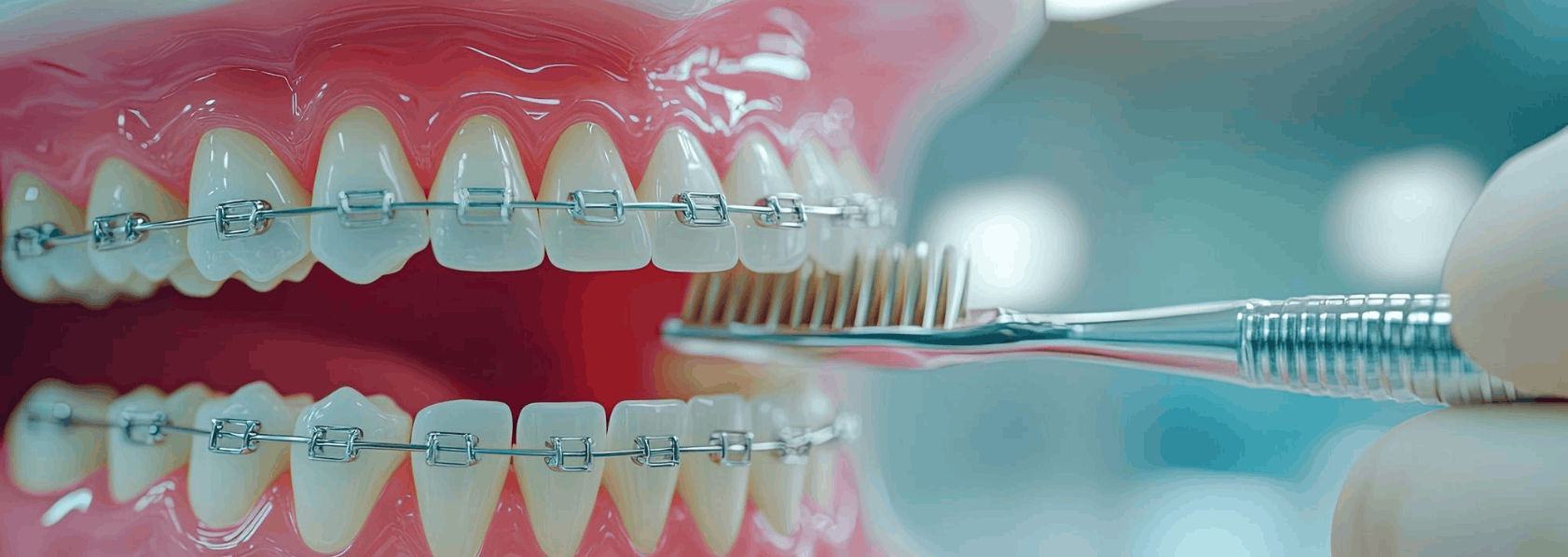
A dental midline shift occurs when the centre line between the upper or lower front teeth does not match the centre of the face or the opposite dental arch. It can make the smile look uneven, especially when a person smiles or speaks. Many people notice this difference in photographs and wonder whether braces treatment can bring their teeth back into the correct position.
Yes, braces treatment can correct many types of dental midline shifts. However, the results depend on what causes the shift, how much the teeth have moved, the position of the jaws and the overall bite. An orthodontist first examines these factors before deciding how to plan treatment.
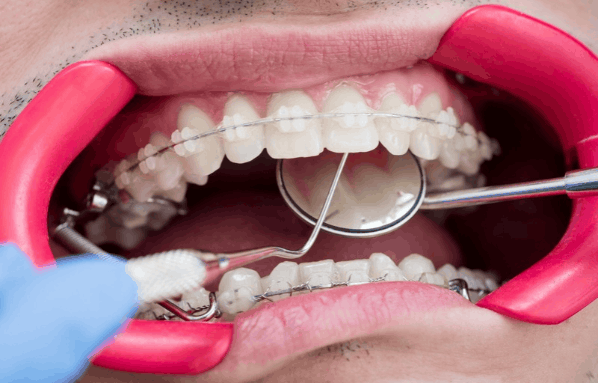
The dental midline is the imaginary vertical line that passes between the two upper front teeth or the two lower front teeth. Ideally, the upper dental midline should be close to the centre of the face and should align well with the lower dental midline.
A midline shift happens when this line moves towards the left or right. For example, the upper front teeth may sit slightly to the right of the facial centre, while the lower teeth may remain closer to the centre.
A small difference does not always affect the bite or require treatment. However, a noticeable shift along with crowding, gaps or an uneven bite may need orthodontic correction.
A dental midline shift can develop for several reasons. Identifying the cause helps an orthodontist decide which tooth movements will improve the alignment.
Common causes include:
The orthodontist needs to identify whether the shift comes mainly from tooth position, jaw position or a combination of both.
Yes, braces can correct many dental midlines shifts by gradually moving the teeth into better positions. Braces use gentle, controlled pressure to guide teeth through the surrounding bone.
Midline Correction with Braces treatment may involve:
An orthodontist plans specific tooth movements to bring the dental midline closer to its intended position. The process usually involves the following steps:
The orthodontist checks the upper and lower dental midlines, tooth positions, available space and how the teeth meet during biting. They may also assess the facial centre line and jaw relationship.
Crowding can prevent teeth from moving into the required positions. Depending on the case, the orthodontist may use different methods to create space, such as carefully planned arch expansion, reshaping selected tooth surfaces or removing teeth when clinically necessary.
Braces apply controlled pressure to guide individual teeth. The orthodontist adjusts the treatment plan to move the teeth in a planned direction and improve the dental midline.
Midline correction often involves more than moving the front teeth. The orthodontist also checks how the back teeth meet and whether the upper and lower arches work together properly.
Once the active braces treatment is complete, retainers help maintain the corrected tooth positions. Wearing them as advised is an important part of keeping the results stable.
Not every dental midline shift needs the same approach. The orthodontist considers several factors before deciding how to correct it.
A shift caused by crowded teeth needs a different approach from one caused by a missing tooth or an uneven jaw position. The treatment plan must address the reason behind the shift rather than focus only on the appearance of the front teeth.
A small difference between the dental midlines may need limited tooth movement. A larger shift can require more detailed planning, especially when the bite also needs correction.
Crowding can restrict the movement needed for midline correction. The orthodontist checks whether enough space exists and decides how to manage it without affecting the overall bite.
Sometimes, the teeth appear shifted because the upper and lower jaws do not align properly. In such cases, moving the teeth alone may not fully correct the underlying concern. The orthodontist evaluates the jaw relationship before recommending treatment.
A missing tooth, dental crown or previous dental treatment can affect how braces move the teeth. The orthodontist considers these details while planning tooth movement and managing spaces.
The stage of dental and jaw development can influence treatment options. Children and teenagers may still have growing jaws, while adults usually have fully developed jaw structures. This difference can affect the approach to orthodontic correction.
Braces Treatment can correct many midline problems caused by tooth position. However, some cases involve a more significant difference in jaw position. These cases may need a different or combined treatment approach.
For example, a person with crowded front teeth and a mild midline shift may benefit from Braces for Misaligned Teeth. However, when the shift comes mainly from an underlying jaw difference, braces alone may not achieve the desired correction.
An orthodontist evaluates the teeth, bite and jaw relationship before recommending treatment. This helps set realistic expectations and avoid tooth movements that could affect bite function.
A dental midline shift can affect the balance of a smile, but braces can correct many cases by guiding the teeth into better positions. The right treatment depends on the cause of the shift, available space, jaw relationship and bite alignment.
If you are considering Braces Treatment in Mumbai, an orthodontic assessment can help determine whether braces are suitable for your concern. Dr. Sidharth Shah, a Diamond Invisalign Provider and Top 1% Invisalign Provider in India, evaluates tooth alignment and bite concerns at his clinic in Bandra, Mumbai. Consulting an experienced orthodontist in Mumbai helps to understand the available options and choose a treatment plan based on dental needs.