

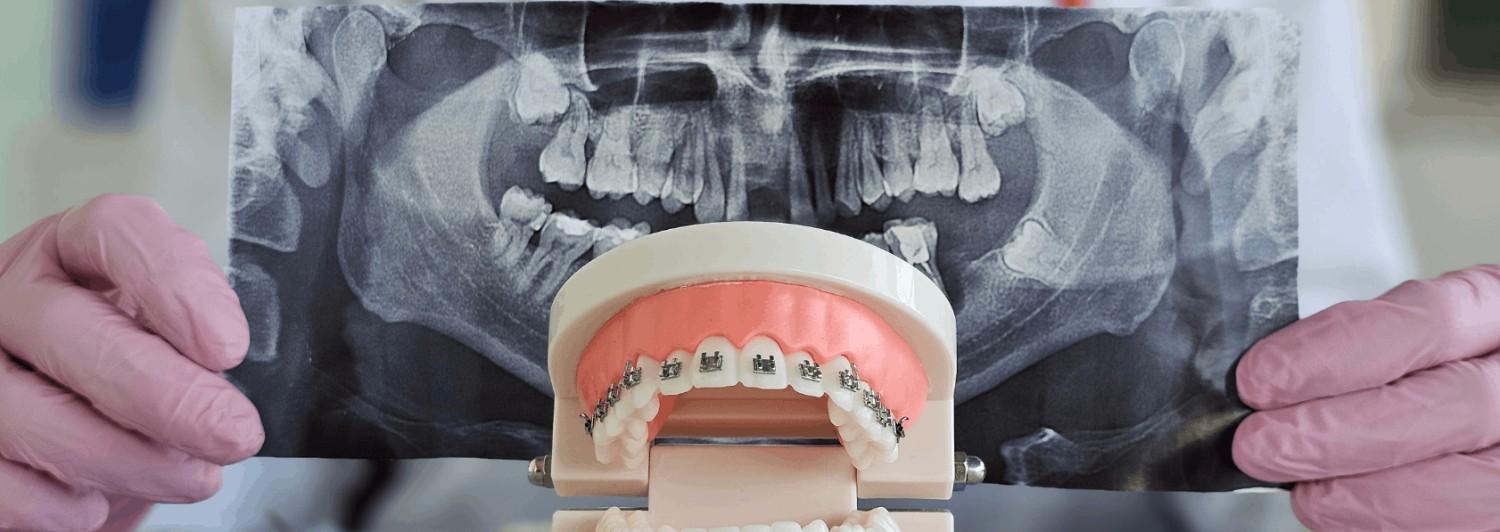
Crossbite and overbite are two of the most common forms of orthodontic problems seen in dental practice, and patients often confuse one for the other. While the names sound similar, cross bite vs overbite describes two very different types of misalignments. Understanding this difference matters mainly because both are usually corrected using the same solution: braces treatment.
This blog explains what separates a crossbite from an overbite, why braces treatment works for both, and what to expect once correction begins.
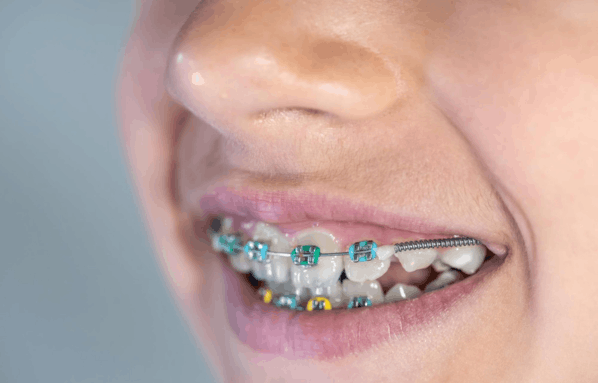
A bite refers to how the upper and lower teeth meet when the jaw closes. When this alignment goes off track, it becomes an orthodontic problem that can affect chewing, speech, and long-term tooth wear.
Overbite is when the upper front teeth close too far over the lower ones, more than the normal, healthy overlap. Common signs include upper teeth largely hiding the lower row, jaw soreness, or what’s sometimes called a “gummy smile.”
Crossbite is different. One or more upper teeth sit inside the lower teeth instead of outside them. This can happen at the front, back, or on one side of the mouth. Signs include tilted teeth, uneven wear, or the jaw shifting to one side while biting.
The difference comes down to direction. An overbite is vertical. It means too much overlap, top over bottom. A crossbite is horizontal. Teeth sit on the wrong side. Both are a genuine orthodontic problem. Both are commonly corrected with braces treatment.
Regardless of whether a patient is dealing with an overbite, a crossbite, or a mix of both, braces treatment remains one of the most predictable and well-studied ways to fix bite misalignment. Instead of treating crossbite and overbite as two separate problems requiring different fixes, most orthodontists at a dental clinic in Bandra rely on this approach because it addresses the root issue, the position of the teeth and, in many cases, the way the jaw comes together.
This is exactly why understanding cross bite vs overbite matters less than understanding how this treatment works to fix either one.
Braces treatment applies gentle, continuous pressure through brackets and wires, gradually guiding teeth into their correct position. Over weeks and months, this pressure:
The process is slow and controlled by design. This is what makes it safe and effective, even for correcting significant bite problems.
Early braces treatment can make a significant difference to your smile and oral health:
Cross bite vs overbite is a useful distinction to understand, but the real priority is getting the right diagnosis and starting appropriate braces treatment before the problem becomes harder to correct. Both conditions are common, both are manageable, and both respond well to timely care.
An uneven bite or jaw discomfort is worth getting checked rather than living with. Dr. Sidharth Shah and his team bring years of orthodontic expertise to a well-established dental clinic in Bandra, assessing each case individually before recommending the right braces treatment for the patient’s specific needs.