

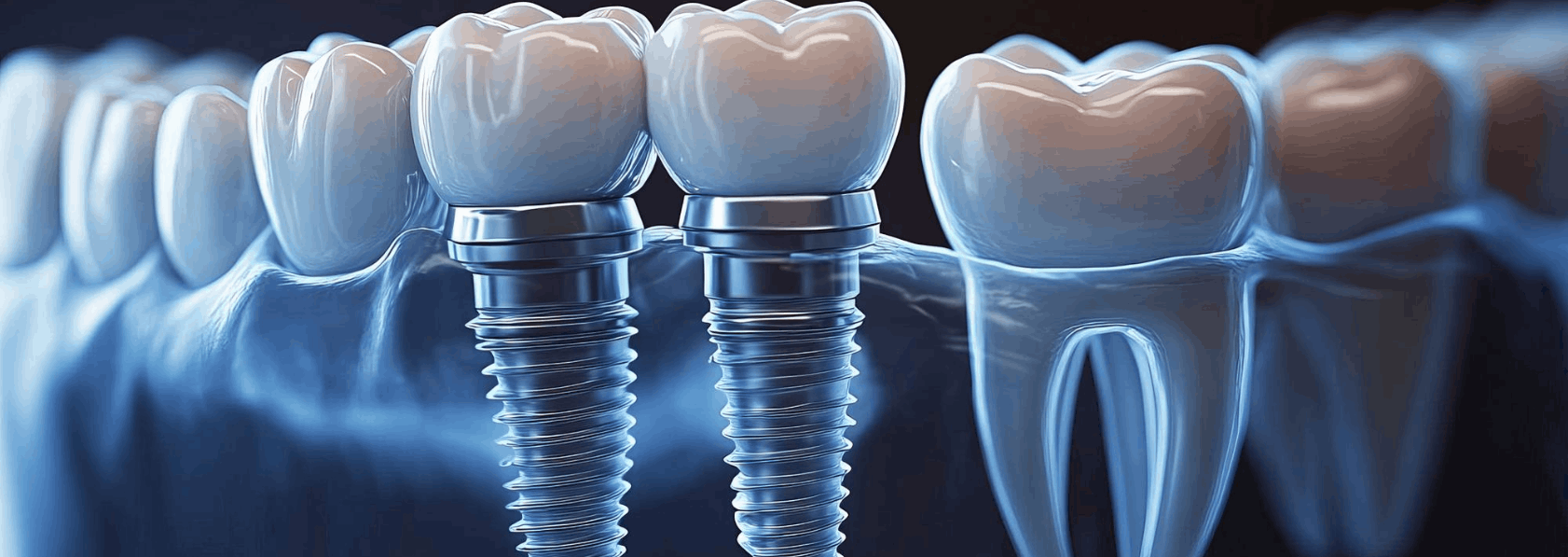
Tooth loss is the loss of one or more natural teeth due to reasons such as tooth decay, gum disease, injury, or age-related dental concerns. Whether the missing tooth is at the front or back of your mouth, replacing it is an important step in maintaining a healthy smile, comfortable chewing, and overall oral function.
One of the most reliable and long-lasting solutions for replacing a missing tooth is Dental Implant treatment. This treatment helps to replace both the missing tooth and its root; dental implants look, feel, and function much like natural teeth while supporting long-term oral health.
After losing a tooth, choosing the right time for Dental Implant treatment can make the procedure easier and help maintain your natural oral health. Knowing how your mouth adapts after tooth loss allows you to make informed decisions and enjoy lasting results from your tooth replacement.
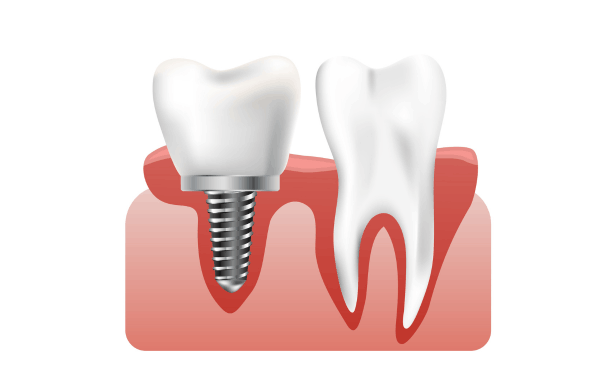
A tooth is important for more than just chewing. Its root continuously stimulates the jawbone whenever you bite or chew food. When a tooth is missing, the jawbone stops getting the natural pressure it needs.
Over time, your mouth begins to adapt to the space, leading to several changes:
These changes often begin within the first few months after tooth loss and continue if the space remains untreated.
Many people postpone treatment because they feel the missing tooth isn’t causing any problems and think they can replace it later. However, waiting may lead to more complex treatment and higher costs in the future.
Your teeth naturally support one another. When one tooth is missing, neighbouring teeth slowly drift into the empty space. Even small movements can:
Once teeth shift significantly, your dentist may need to correct their position before placing the implant.
Many people unconsciously avoid chewing on the side where the tooth is missing. Over time, this may lead to:
A properly placed implant restores both comfort and confidence while eating.
If the missing tooth is visible, many people become self-conscious while:
Even when the missing tooth is at the back, gradual bone loss may eventually affect facial support, making the face appear slightly sunken over time.
Unlike bridges or removable dentures, Dental Implants replaces both the missing tooth and its root.
This offers several long-term benefits:
Because of the above benefits, many dentists consider implants the most predictable long-term solution for Missing Tooth Replacement.
Even if you’ve been missing a tooth for several years, you may still be eligible for Dental Implant treatment.
However, your dentist will first evaluate:
If bone loss has occurred, additional procedures may be recommended before implant placement. Early treatment gives you more options and often makes the overall process easier.
Today’s advanced dental implant treatments use digital technology to improve diagnosis and planning.
Depending on your tooth conditions and needs, your dentist may recommend:
These technologies help evaluate bone availability, determine ideal implant positioning, and improve treatment precision while enhancing patient safety. Treatment recommendations always depend on an individual’s oral health condition.
Delaying Dental Implant treatment may seem harmless at first, but the changes happening beneath the surface can make future treatment longer, more complex, and more expensive. Bone loss, shifting teeth, bite problems, and reduced chewing function often develop gradually without obvious symptoms.
If you’ve recently lost a tooth or have been living with a missing tooth for some time, a timely consultation can help you understand your treatment options and choose the right solution based on your oral health needs.
If you’re considering dental implants in Bandra Mumbai, consult with Dr. Sidharth Shah who an experienced implant dentist can help you make an informed decision.