

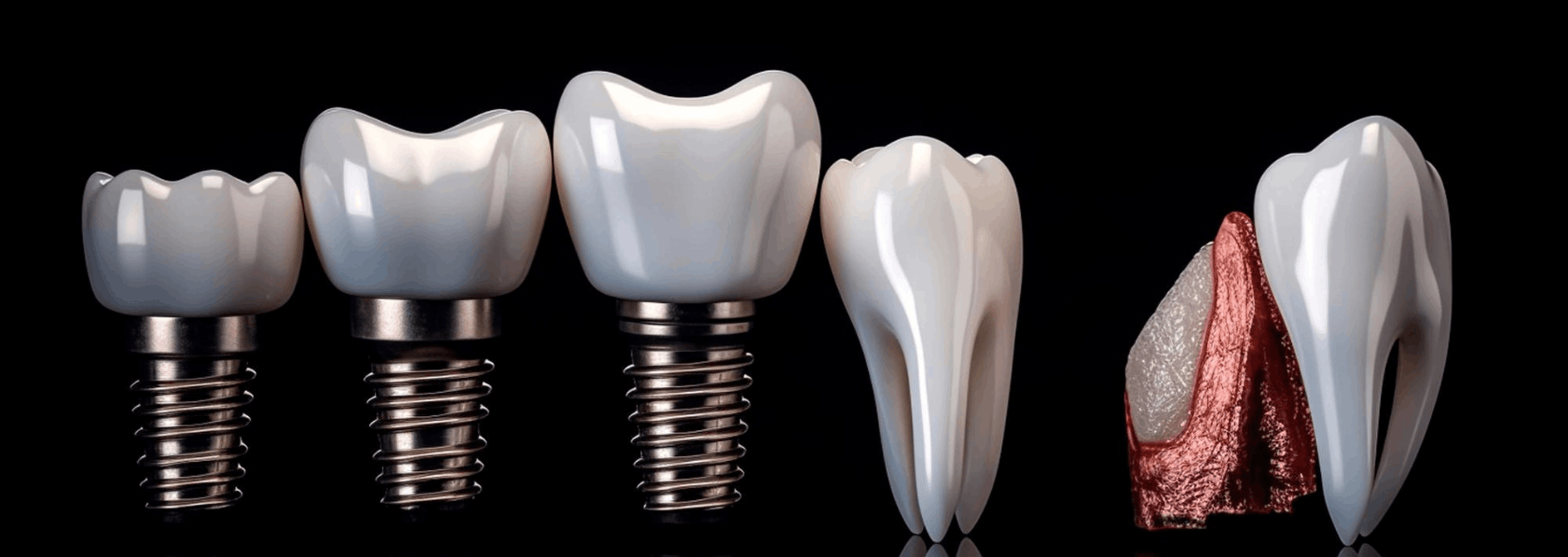
If you have recently had a tooth removed, you may be wondering what comes next. Should you replace the tooth immediately, or should you wait for the extraction site to heal first? This is a common question because there is no single waiting period that works for everyone. In some cases, a dental implant can be placed on the same day as tooth extraction. In other cases, your dentist may recommend waiting several weeks or months before placing the implant.
The right timing depends on the condition of the extraction site, the amount of bone available, your gum health, and other factors that your dentist will check during treatment planning.
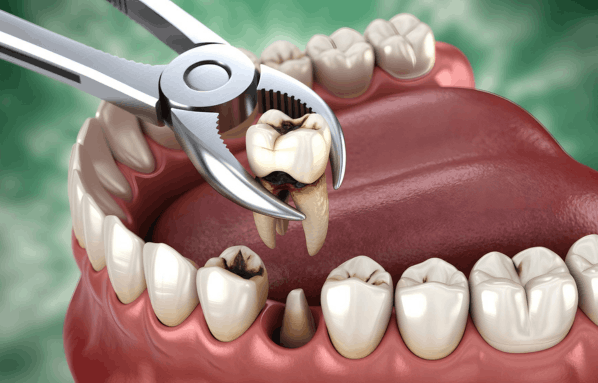
An immediate dental implant is placed into the extraction socket during the same procedure in which the tooth is removed. This can reduce the number of separate surgical procedures and shorten the overall treatment timeline.
However, immediate implant placement is not suitable for every patient.
Your dentist will first check whether there is enough healthy bone to provide good support for the implant. The condition of the gum tissue, the position of the tooth, infection at the site, and the appearance of the surrounding tissues can also affect the decision.
For immediate placement, careful case selection is important, particularly when the missing tooth is visible when you smile.
You may need to wait if the extraction site needs time to heal before the implant can be placed safely.
For example, the tooth may have been removed because of an infection, or there may not be enough healthy bone to provide the support needed for an implant.
Waiting can give the gum and bone time to heal. In some cases, your dentist may also recommend a bone graft to rebuild or preserve the bone before implant placement.
The goal is not simply to place the implant as quickly as possible. The timing should allow the implant to be placed in a stable and suitable position.
After a tooth extraction, your body naturally starts repairing the area.
The gum begins to heal, while changes also take place in the bone around the empty tooth socket. This healing process can affect the amount and shape of bone available for future implant placement.
During this period, your dentist may monitor:
Once the site is suitable, your dentist can plan the next step.
The timing of a Dental Implant treatment depends on more than the number of days since your tooth was removed.
Your dentist may consider:
The implant needs enough healthy bone for stability. If bone has been lost around the extracted tooth, you may need bone augmentation before or along with implant placement.
Healthy gum tissue helps support the area around the future implant. The amount and condition of soft tissue can also influence treatment planning.
If there is an active infection, immediate placement may not be appropriate. Your dentist will first assess the infection and the condition of the site.
Replacing a front tooth can require additional planning because the gum shape and appearance are important for the final result.
Your dentist will also consider your oral health, nearby teeth, bite, and whether you need additional procedures before implant placement.
The main concern is that the jawbone can gradually change after a tooth is removed. Bone resorption can reduce the width and volume of the area where the tooth once supported the jaw.
This does not mean that an implant becomes impossible after a long delay.
However, you may need additional treatment, such as bone augmentation, before the implant can be placed.
If you are not ready for an implant immediately after a tooth extraction treatment, ask your dentist how the extraction site can be protected during the waiting period.
Yes, in many cases.
If there is not enough bone to support an implant, your dentist may recommend a bone graft or another bone augmentation procedure.
Dental Implant treatment helps rebuild or preserve the area before implant placement. In some cases, bone augmentation can take place at the time of implant placement, while in others, the area may need to heal first.
Your dentist can recommend the appropriate approach after examining the site and reviewing dental imaging.
There is no universal answer to how long you should wait for a dental implant after tooth extraction. Some patients may receive an implant immediately, while others may need several weeks or months for the area to heal.
The important thing is to choose the timing based on the health of your gums, the available bone, the condition of the extraction site, and your overall treatment needs.
If you are looking for a Dental Implant dentist in Bandra or considering tooth replacement in Bandra, a detailed examination can help you understand when implant placement may be suitable for you.
At Dr. Sidharth Shah’s clinic in Bandra, Mumbai, patients can discuss their tooth replacement options and receive personalised guidance based on their dental condition and treatment needs.