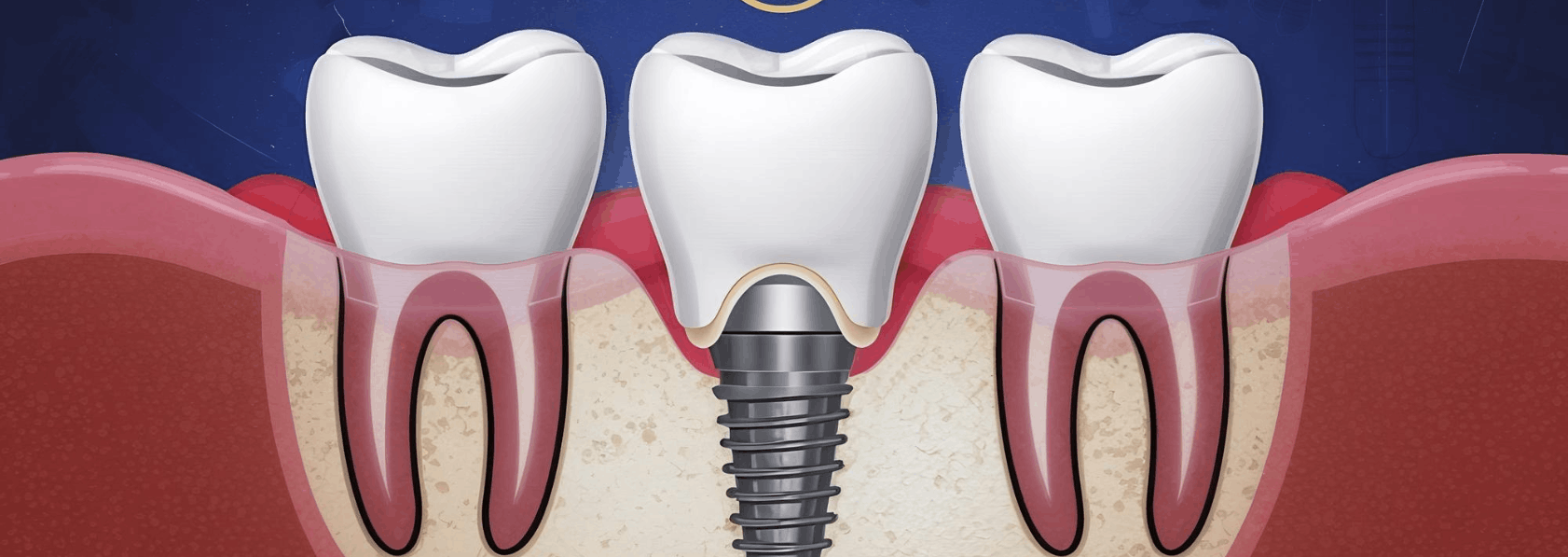
Dental Implant

Is a Tooth Too Damaged to Save? Signs You May Need a Dental Implant

Tooth damage is the loss of healthy structure in a tooth, caused by things like untreated decay, injury, a deep crack, or gum disease that has weakened the supporting bone. It can happen suddenly, from an accident or a broken tooth, or gradually, from years of untreated cavities or infection.


Have you been told your tooth is too damaged to save, and wondered what comes next? It’s a common moment of uncertainty, especially when a tooth has been through repeated treatments, injury, or long-term decay. When damage becomes this severe, the remaining structure may no longer be strong enough to support a filling or a crown.


In situations like this, a Dental Implant often becomes the more reliable long-term solution, though knowing when to make that decision isn’t always straightforward.


This blog explains the signs that indicate a tooth may be beyond saving, and how a Dental Implant can restore both function and confidence once extraction becomes necessary.
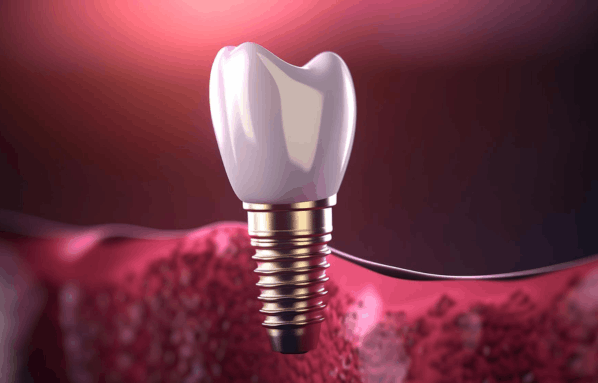
Dental Implant

How Dentists Try to Save a Tooth First

Dentists usually explore every possible option before considering extraction, often starting with a detailed evaluation of the tooth’s structure, root, and surrounding gum tissue. Treatment for a Damaged Tooth often includes:

  • Root Canal Treatment for infected or decayed teeth
  • Dental crowns to protect a weakened tooth structure
  • Fillings for moderate decay
  • Gum treatment if the surrounding tissue is affected

In many cases, a Damaged Tooth can be restored successfully with the right treatment, especially when addressed early.

Wondering if Invisible braces are right for you

Get a personalized consultation with Dr. Sidharth Shah, Top 1% Invisalign Provider in India.

Signs a Tooth May Be Too Damaged to Save

Some signs point to damage severe enough that saving the tooth may no longer be possible. Here’s what dentists typically look for:

1. Severe Structural Damage

When a large portion of the tooth is broken or fractured below the gumline, there may not be enough structure left to support a crown or filling.


2. Deep Infection Reaching the Root

If decay or infection has spread deep into the root and Root Canal Treatment can no longer fully resolve it, the tooth may not be viable.

3. Advanced Gum Disease Around the Tooth

When the supporting bone and gum tissue have deteriorated significantly, even a structurally intact tooth may become loose and unstable.

4. Limited Structure Left After Previous Treatments

A tooth that has already undergone several restorative procedures may have very little natural structure left, which can make further repair less predictable over time.


5. Cracks Extending Into the Root

A crack that runs vertically into the root usually cannot be repaired, since it compromises the tooth from the inside out.

Why Tooth Extraction Isn't Always the End of the Road

Many patients assume that losing a tooth means living with a permanent gap. In reality, extraction is often just the first step before replacement.
Once a severely Damaged Tooth is removed, a Dental Implant can:

  • Replace both the tooth and its root
  • Prevent nearby teeth from shifting into the empty space
  • Preserve the jawbone by maintaining natural stimulation
  • Restore comfortable chewing and a natural-looking smile

This is why many dentists view Tooth Extraction and implant placement as connected steps in the same treatment plan, rather than separate decisions.

How Dentists Decide Between Saving a Tooth and Placing a Dental Implant

Every case is different, and this decision is never made lightly. A dentist typically evaluates:

  • The extent of structural damage
  • Whether infection can be fully treated with Root Canal Treatment
  • The condition of surrounding bone and gum tissue
  • The likelihood of long-term success if the tooth is saved
  • Your overall oral health and treatment goals

If saving the Damaged Tooth offers a realistic, lasting outcome, most dentists will attempt it first. If not, a Dental Implant is usually recommended as the more predictable long-term solution.

What Happens After Tooth Extraction and Before Implant Placement?

  1. Tooth removal – the damaged tooth is extracted, often with minimal discomfort under local anaesthesia
  2. Healing period – the extraction site is given time to heal before further treatment
  3. Bone assessment – your dentist checks whether the jawbone can support an implant, or if grafting is needed
  4. Implant planning – digital imaging helps determine the ideal position for the implant
  5. Dental Implant placement – the implant is placed into the jawbone
  6. Healing and integration – the implant gradually fuses with the bone over several months
  7. Final crown placement – a custom crown completes the restoration
 
This structured approach helps ensure the Dental Implant integrates properly and lasts for years with proper care.

A Few Simple Tips If You're Facing This Decision

  • Ask your dentist to explain why the tooth can’t be saved, not just that it can’t
  • Get a second opinion if you’re unsure about extraction
  • Don’t delay treatment once Tooth Extraction is recommended
  • Ask whether Root Canal Treatment or another repair option was considered before extraction
  • Ask about Dental Implant timelines early, so you know what to expect
  • Maintain good oral hygiene around the affected area until treatment begins

Signs You Should Book a Consultation

It’s worth getting your tooth evaluated if you notice:

  • Persistent pain that doesn’t improve with treatment
  • A tooth that feels loose or unstable
  • Visible cracks extending toward the gumline
  • Swelling or recurring infection around a single tooth
  • Uncertainty about whether your tooth can still be saved

A timely evaluation at a dental clinic in Bandra makes it far easier to explore every option before deciding on extraction or a Dental Implant.

Final Thoughts

Not every tooth needs to be extracted, but when saving it is no longer realistic, a Dental Implant offers a reliable way to restore both function and appearance. The key is getting an honest, thorough evaluation before the decision is made.


If you’ve been told your tooth may be too damaged to save, Dr. Sidharth Shah, an experienced and expert implant dentist at a dental clinic in Bandra, can help you understand whether the tooth can still be saved or whether a Dental Implant is the better long-term option for your smile.

Is your damaged tooth still possible to save, or is a dental implant the better option?

Find out whether your tooth can be preserved or may need replacement with a personalized evaluation by Dr. Siddharth Shah at our dental clinic in Bandra.