

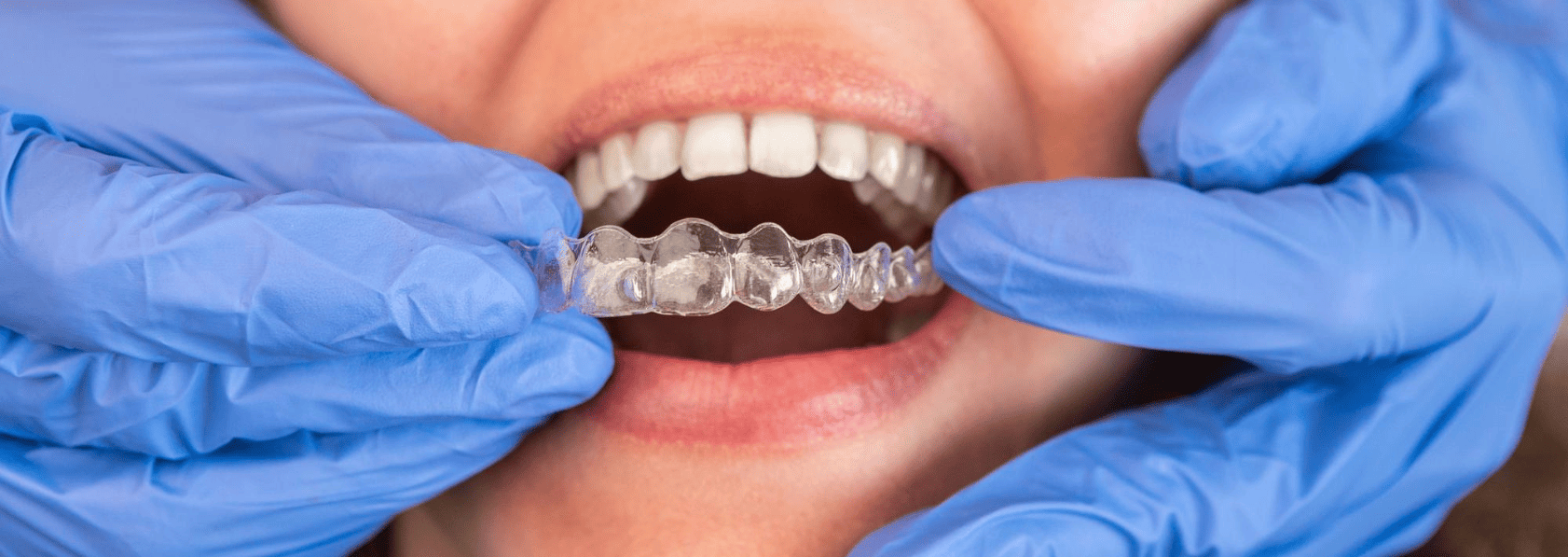
Have you ever felt conscious while speaking because your words don’t come out clearly? Many people don’t realise that the alignment of their teeth plays a crucial role in how they speak. While crooked teeth are often seen as an aesthetic concern, it can also affect pronunciation, clarity, and overall confidence.
In this blog, we’ll explore how misaligned teeth contribute to speech problems and whether Invisalign can help improve them.
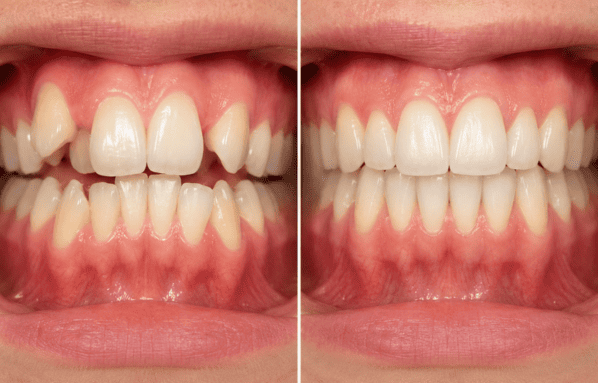
Speech is a coordinated effort between your tongue, lips, and teeth. When misaligned teeth are present, they can interfere with airflow and proper tongue placement, leading to noticeable speech difficulties.
Some common speech issues include:
These challenges often result from gaps, overcrowding, overbites, underbites, or crossbites. Over time, misaligned teeth can affect both communication and self-confidence in daily life.
Before starting treatment, many people wonder whether wearing aligners will affect their speech.
When you begin Invisalign, your mouth needs time to adjust to the presence of aligners. In the initial days, some people may notice:
These changes are temporary and usually improve within a few days to a couple of weeks. As your mouth adapts, speech becomes more natural again.
When you start wearing aligners to correct misaligned teeth, your mouth goes through a short adaptation period.
Your tongue adjusts to the aligners, which may slightly affect pronunciation.
With regular speaking, your muscles quickly get used to the new structure.
A common question is whether correcting alignment can actually improve speech. In many cases, the answer is yes.
As misaligned teeth are gradually corrected, the barriers that previously affected speech are reduced. This can lead to:
For individuals whose speech difficulties are linked to misaligned teeth, correcting alignment can make a noticeable difference over time.
Invisalign has become a popular choice for correcting misaligned teeth, especially for those concerned about comfort and convenience.
There are no metal brackets or wires, making it easier to speak without irritation.
They can be removed when needed, though consistent wear is important for progress.
Teeth shift slowly, allowing your speech to adjust naturally during the process.
Any speech changes are usually temporary and improve quickly.
Speech plays a vital role in how we communicate and express ourselves. Misaligned teeth can subtly affect pronunciation and confidence, often going unnoticed until they begin to impact daily interactions.
While there may be a short adjustment period when starting treatment, the long-term benefits are often positive. As alignment improves, many people experience clearer and more confident speech.
If you’re considering treatment and searching for an Invisalign clinic in Bandra, choosing an experienced provider can make a significant difference. Under the care of Dr. Sidharth Shah, recognised among the Top 1% Diamond Invisalign Providers in India, treatment is carefully planned to not only improve alignment but also enhance overall comfort and confidence.