


Missing teeth can affect more than just your smile. It can affect how you eat, speak, and even your confidence in everyday situations. While dental implants are considered one of the most reliable solutions for tooth replacement, not everyone is an immediate candidate.
Understanding whether this treatment is suitable for you requires looking at certain health, dental, and lifestyle factors. Let’s break it down simply and practically.
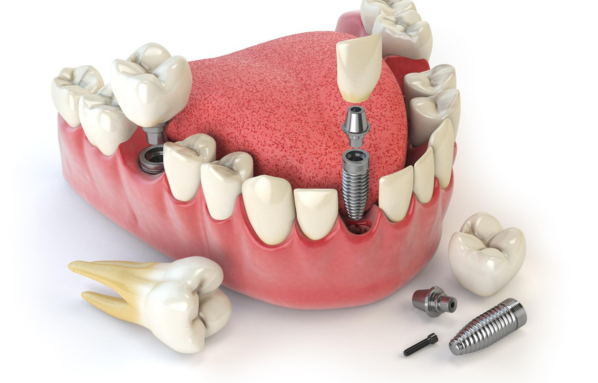
Dental implants are artificial tooth roots made from biocompatible materials like titanium. These are placed into the jawbone and serve as a base for replacement teeth, such as crowns, bridges, or dentures.
They are designed to:
• Look and feel like natural teeth
• Provide strong support while chewing
• Offer a long-term solution compared to other options
Because of these advantages, many people explore whether they are suitable candidates for dental implants.
A good candidate for dental implants is someone whose oral and general health can support the procedure and healing process.
You may be an ideal candidate if you:
• Have one or more missing teeth
• Have healthy gums with no active infection
• Have enough jawbone to support the implant
• Follow good oral hygiene practices
• Are in stable overall health
It’s important to note that even if you don’t meet all these criteria, modern dental treatments can often help you become eligible.
If you’re wondering how to know if you need dental implants, here are some common signs:
• Missing teeth affecting your smile or function
• Difficulty chewing certain foods
• Loose or uncomfortable dentures
• Bone loss in the jaw area
• Changes in facial structure due to missing teeth
• Frequent issues with bridges or removable options
These signs often indicate that you could be a potential candidate for dental implants, but a professional consultation is necessary for confirmation.
Understanding the requirements of dental implant treatment helps you know what to expect before starting.
It should be free from infection or inflammation, as they play a key role in supporting the implant.
The jawbone must be strong enough to hold the implant securely. If not, bone grafting may be suggested for that candidate.
Regular brushing, flossing, and dental visits are essential for implant success.
Since implants require time to integrate with the bone, your body’s ability to heal is important.
Meeting these requirements improves your chances of being a successful candidate for dental implants.
This treatment offers several long-term benefits that go beyond just replacing a missing tooth.
Implants closely resemble natural teeth, making them comfortable and aesthetically pleasing.
They restore bite strength, allowing you to eat a wider variety of foods without discomfort.
With proper care, dental implants can last for many years, making them a reliable option.
Implants help prevent jawbone loss, which is common after tooth loss.
Unlike loose dentures, implants stay in place and help to improve clarity while speaking.
A complete smile can positively impact your self-confidence and social interactions.
While implants work well for many people, certain conditions may delay or limit eligibility.
You may not be the ideal candidate for dental implants if you:
• Have uncontrolled diabetes
• Smoke heavily
• Have advanced gum disease
• Have severe bone loss without treatment options
• Are undergoing certain medical therapies affecting healing
However, these conditions don’t always permanently rule out implants. Proper treatment and lifestyle changes can sometimes improve eligibility.
Before confirming whether you are a candidate for dental implants, a dentist will carefully assess multiple factors.
Checking gums, remaining teeth, and overall oral hygiene.
Using X-rays or scans to evaluate bone density and support.
Reviewing your health history to ensure safe treatment.
Smoking, diet, and oral care routines can affect outcomes.
Understanding your needs helps in creating a personalized plan.
You may be a candidate for dental implants if you have missing teeth, healthy gums, and sufficient jawbone. A dental check-up is required to confirm eligibility for dental implants.
Yes, in many cases. Procedures like bone grafting can help rebuild bone, making you a suitable candidate for dental implants.
The requirements of dental implant treatment include healthy gums, adequate bone support, good oral hygiene, and the ability to heal properly after the procedure.
If you experience loose dentures, difficulty chewing, or want a more permanent solution, dental implants may be a better option.
Dental implants are generally safe, but not everyone is an immediate candidate. Conditions like uncontrolled diabetes or heavy smoking may require additional evaluation.
Dental implants are a reliable long-term solution for replacing missing teeth, but determining whether you are a candidate for dental implants is the first step. Factors such as oral health, bone condition, and overall wellness all play a role in the decision.
If you’re still unsure how to know if you need dental implants, a detailed dental evaluation can help you understand what’s suitable for your specific case and what steps may be needed before treatment.
When it comes to making the right choice, consulting the best dentist for dental implants in Mumbai can make a significant difference. An experienced clinic like Dr. Siddharth Shah’s focuses on careful assessment and personalized planning, ensuring that each patient receives treatment that is both appropriate and long-lasting.