

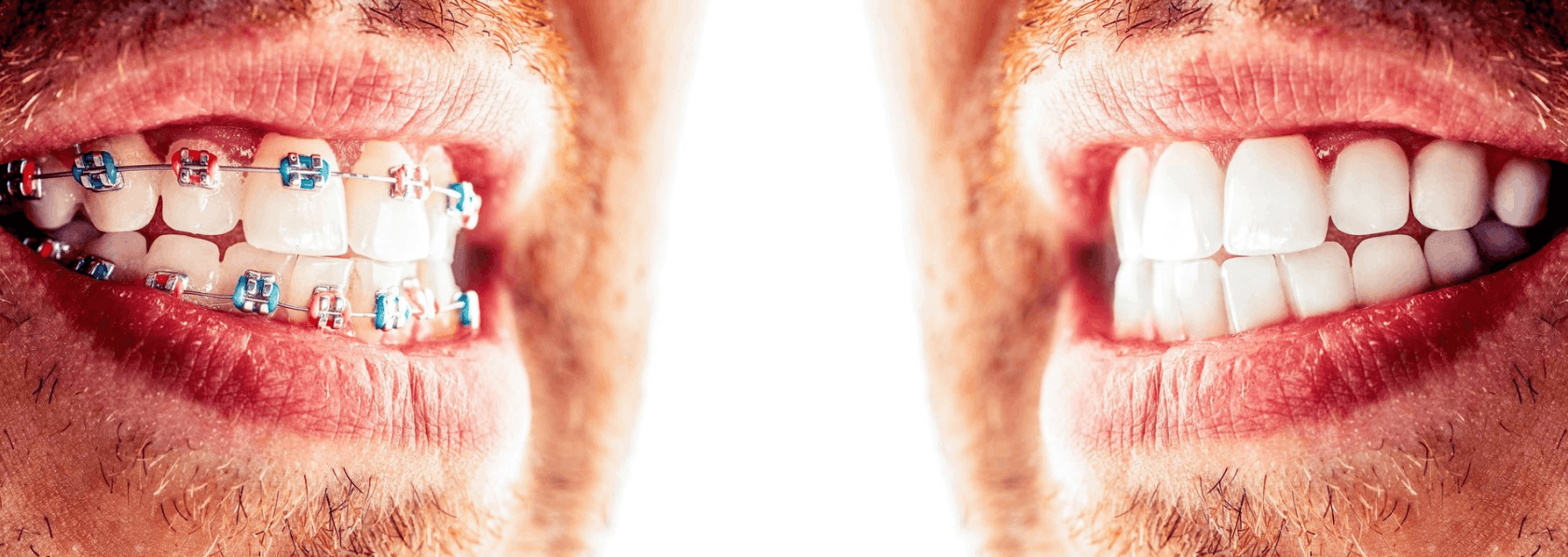
Thinking about getting braces but worried about pain? This is one of the most common concerns patients have before starting orthodontic care. The thought of brackets, wires, and regular adjustments can make Braces Treatment seem uncomfortable.
The reality is that braces usually cause mild and temporary discomfort rather than severe pain. You may notice pressure, soreness, or sensitivity when your braces are first placed and after certain adjustments. Your mouth gradually gets used to these changes as treatment progresses.
Knowing what to expect can help you feel more prepared and comfortable throughout your orthodontic journey.
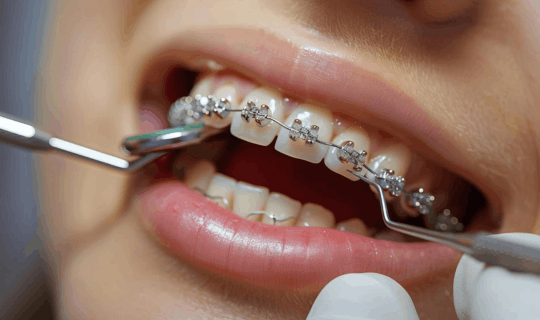
The process of getting braces does not usually cause significant pain. Your orthodontist cleans and prepares the teeth before carefully placing the brackets and archwire.
After the appointment, your teeth begin responding to the gentle pressure used to guide them into better positions. This can cause mild soreness, especially when biting or chewing.
The initial discomfort usually feels strongest during the first few days and gradually becomes easier to manage.
The first week is mainly an adjustment period. Your teeth, lips, cheeks, and tongue need time to become familiar with the brackets and wires.
You may feel pressure or soreness around your teeth. Eating soft foods and avoiding very hard or crunchy foods can make this stage easier.
Your cheeks and lips may also feel slightly irritated while they adjust to the brackets.
Most patients become much more comfortable with their braces. Brushing, eating, speaking, and following their normal routine also become easier.
This short adjustment period is only one part of the overall Braces Treatment journey.
Regular adjustments help your orthodontist guide your teeth according to the treatment plan. During these appointments, the orthodontist may adjust the archwire or make other changes to continue controlled tooth movement.
You may experience pressure or mild soreness after an adjustment. Braces adjustment pain is usually temporary and becomes more comfortable within a few days.
The sensation can differ depending on the type of adjustment and the tooth movements planned for you. Mild soreness does not mean that something is wrong with your treatment.
A few simple habits can make the early stages of Braces Treatment more comfortable.
For the first few days after getting braces or having an adjustment, choose foods that require less chewing. Soft rice, pasta, yoghurt, eggs, soups, and cooked vegetables are good options.
Hard and sticky foods can put unnecessary pressure on brackets and wires and may cause them to loosen or break. Follow your orthodontist’s dietary recommendations during treatment.
If a bracket or wire rubs against your cheek or lip, orthodontic wax can cover the area and reduce irritation while your mouth adjusts.
Continue brushing carefully around the brackets and wires. Cleaning between the teeth is also important for keeping your teeth and gums healthy during Braces Treatment.
Staying hydrated supports a healthy mouth and can make it easier to maintain good oral hygiene throughout treatment.
Your orthodontist can recommend suitable ways to manage discomfort based on your individual treatment. If pain relief medication is appropriate, follow the instructions given by your healthcare professional.
Braces can feel unusual at first, but your mouth gradually adapts. Being patient during the initial adjustment period can make the overall experience much easier.
Yes, mild soreness or pressure after an adjustment is common. Your orthodontist makes controlled changes to continue guiding the teeth toward their planned positions.
However, severe or persistent pain needs professional attention. Contact your orthodontist if you experience significant swelling, a sharp wire, a broken bracket causing discomfort, or pain that continues without improvement.
Understanding the difference between normal adjustment soreness and a problem can help you manage Braces Treatment with greater confidence.
Braces use controlled pressure to gradually move teeth into planned positions. Regular appointments allow your orthodontist to check your progress and make changes when needed.
During these visits, your orthodontist evaluates how your teeth and bite are responding before planning the next stage of treatment.
These appointments are an important part of keeping your Braces Treatment progressing safely and according to plan.
Mild soreness can occur after braces are placed or adjusted, but pain itself does not determine whether treatment is working.
The goal of orthodontic care is controlled and planned tooth movement. Your orthodontist monitors your teeth and bite throughout treatment and adjusts the approach according to your progress.
If you experience discomfort that feels unusual or persistent, discuss it with your orthodontist during your appointment.
So, are braces treatment painful? For most patients, braces cause mild and temporary discomfort rather than severe pain. You may experience pressure or soreness when braces are first placed and after adjustments, but your mouth gradually becomes accustomed to them.
Simple steps such as choosing softer foods, using orthodontic wax, maintaining good oral hygiene, and following your orthodontist’s instructions can make these periods of discomfort easier to manage.
If you are considering Braces Treatment in Bandra, Mumbai, a professional orthodontic consultation can help you understand your treatment needs and what you can expect at each stage. Dr. Sidharth Shah who is the best orthodontist in Bandra & Mumbai, focuses on each patient’s teeth, bite, and smile goals, with regular monitoring throughout the orthodontic journey.