

How Missing Teeth Affect Your Jawbone – And How Dental Implants Prevent Bone Loss
When a tooth is lost, most people focus on the visible gap in their smile. However, what happens beneath the surface is far more significant. Losing a tooth triggers a gradual deterioration of the jawbone – a process that can permanently alter your facial structure, oral function, and overall quality of life. Understanding this connection is essential for anyone considering tooth replacement options.

Understanding the Jawbone and Its Role in Oral Health
Your jawbone, or alveolar bone, plays a critical structural role. It anchors your teeth firmly in place and provides the foundation for your facial contours. The bone stays healthy through a process called remodelling, which is stimulated by the pressure and movement generated when you bite and chew.
Wondering if Invisible braces are right for you
Get a personalized consultation with Dr. Sidharth Shah, Top 1% Invisalign Provider in India.
What Keeps the Jawbone Healthy?
Every time you chew, the root of your tooth transmits forces into the jawbone. This stimulation signals the body to continuously regenerate bone tissue. Without this stimulus, the bone receives no signal to maintain itself, and the body begins to reabsorb it – a process known as resorption.
How Missing Teeth Lead to Bone Loss?
The connection between tooth loss and bone deterioration is not widely understood by patients, yet it has serious long-term consequences. Here is what actually happens after a tooth is lost.
1. The Resorption Process Begins Immediately
Within the first few months of losing a tooth, the surrounding bone begins to shrink. Studies indicate that approximately 25% of bone width can be lost in the first year alone. Over several years, this loss compounds, making future restorations increasingly complex.
2. Facial Structure Changes Over Time
As the bone deteriorates, the face begins to show visible signs of premature ageing. The cheeks may appear sunken, the chin may shift forward, and the overall lower facial third loses its natural support. This can significantly affect how a person looks and feels about themselves.
3. Adjacent Teeth Are Also at Risk
Bone loss does not stay localised. Neighbouring teeth may begin to shift into the gap, affecting bite alignment and creating additional spaces. This can lead to further tooth loss if left untreated, turning a single missing tooth into a more widespread dental concern.
The Domino Effect on Oral Health
Bone loss affects more than just the jaw. It creates a cascading impact that includes gum recession, difficulty chewing and speaking properly, compromised nutrition due to reduced chewing ability, and accelerated wear on remaining teeth. The longer treatment is delayed, the more complex the recovery becomes.
Why Traditional Tooth Replacement Options Fall Short
Dentures and traditional dental bridges are widely used but neither addresses the underlying problem of jawbone deterioration.
Dentures: A Surface-Level Solution
Dentures sit on top of the gum line and do not interact with the jawbone. While they restore the appearance of a full smile, they provide no stimulation to the underlying bone. As a result, bone loss continues silently beneath the denture, eventually causing it to become loose and ill-fitting.
Bridges: Missing the Foundation
Dental bridges span the gap left by a missing tooth and are anchored to adjacent teeth. However, like dentures, they do not replace the root and therefore cannot stimulate the bone beneath the gap. Bone loss in that area continues uninterrupted.
Dental Implant Treatment: The Gold Standard for Bone Preservation
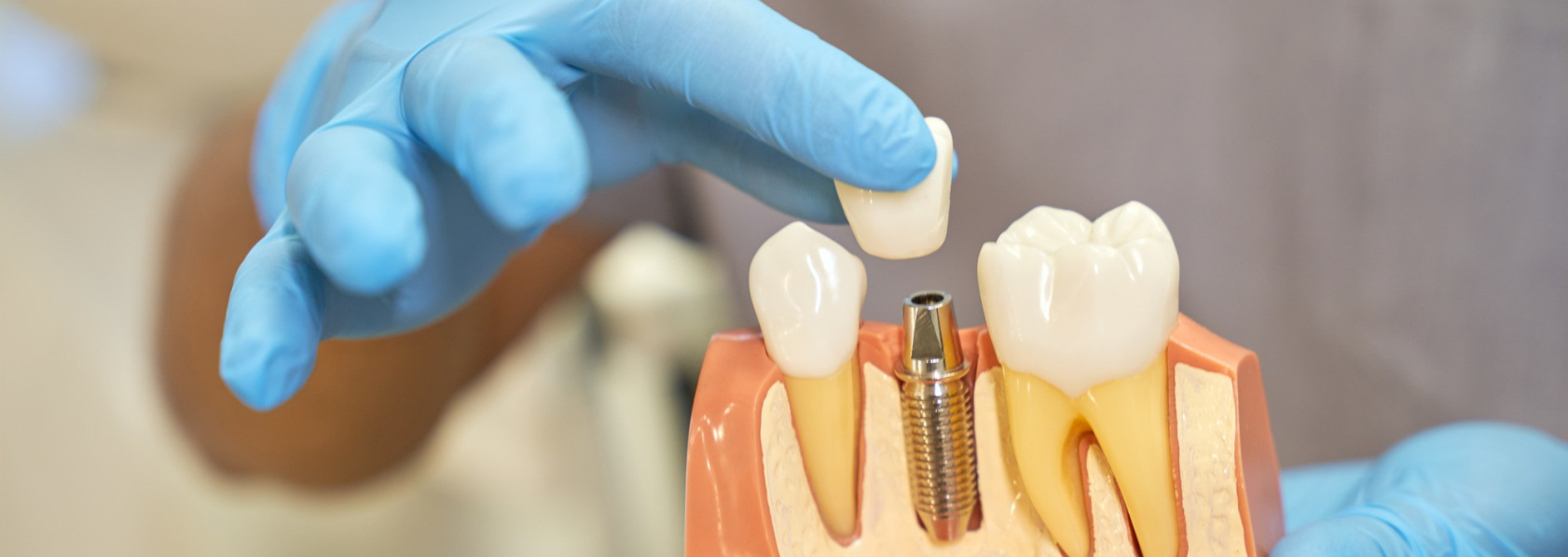
Dental Implant Treatment is the only tooth replacement option that replicates the function of a natural tooth root. A titanium post is surgically placed into the jawbone, where it integrates with the surrounding bone through a biological process called osseointegration. This makes it a permanent, stable, and bone-preserving solution.
How Dental Implants Stimulate the Jawbone
Once integrated, the implant mimics the function of a natural tooth root. Every bite and chewing motion transmits force through the implant into the jawbone, providing exactly the stimulation needed to maintain bone density. This effectively halts bone resorption and encourages healthy bone maintenance.
What Is Osseointegration?
Osseointegration is the direct structural bonding of the titanium implant surface with the jawbone. Over a period of a few months, the bone cells grow around and fuse with the implant surface, creating a connection that is remarkably similar to that of a natural tooth root. This forms the stable foundation for the crown placed on top.
Long-Term Benefits of Dental Implant Treatment
Beyond bone preservation, Dental Implant Treatment offers a range of lasting advantages that make it the preferred choice for patients seeking a permanent solution to tooth loss.
- Restores natural biting force and chewing ability
- Maintains facial structure and prevents premature ageing
- Does not require alteration of adjacent healthy teeth
- Easy to maintain with regular brushing and flossing
- Can last a lifetime with proper care and routine dental visits
Who Is a Good Candidate for Dental Implant Treatment?
Most adults in good general health are suitable candidates for implants. A thorough assessment at Dr. Sidharth Shah’s clinic will evaluate your bone density, gum health, and medical history to determine the most appropriate approach.
Bone Grafting: When Bone Loss Has Already Occurred
If significant bone loss has already taken place, a bone graft procedure may be recommended before implant placement. Bone grafting restores lost bone volume, creating a sufficient foundation for successful implant integration. This means that even patients who have experienced bone deterioration may still qualify for Dental Implant Treatment with the right preparatory care.
Early Intervention Is Key
The sooner a missing tooth is addressed, the simpler the treatment process. Early intervention minimises bone loss, preserves the surrounding teeth and gum tissue, and reduces the overall complexity and cost of restoration. If you have recently lost a tooth or are considering tooth replacement, consulting a specialist promptly is strongly advised.
Conclusion
A missing tooth is never just a cosmetic issue. It sets off a chain of consequences that affect your jawbone, facial structure, and overall oral health. While traditional replacements like dentures and bridges restore appearance, they cannot prevent the bone loss that follows tooth extraction. Dental Implant Treatment is the only solution that directly addresses the root cause by providing the stimulation your jawbone needs to stay healthy and strong.
If you are ready to explore a permanent, bone-preserving solution, visit Dr. Sidharth Shah’s 1 Stop Dental clinic in Bandra (West) to learn more or book your consultation today. Your smile – and your jawbone – deserves the best possible care.